Find Most Popular Royal Ring Replica
The Story Behind Royal Collection Jewelry: Timeless Pieces Fit for Royalty
The story behind regal jewelry collections discloses a tale deeply rooted in creativity and prestige. Throughout the centuries, these jewels have changed, capturing cultural movements and developing tastes. Each jewel embodies deep symbolism, spanning elaborate craftsmanship to the finest materials. Understanding their significance invites a thorough investigation of the artistry and meaning that define these celebrated treasures. What forces have defined these enduring masterpieces, and who were the central figures driving their transformation?
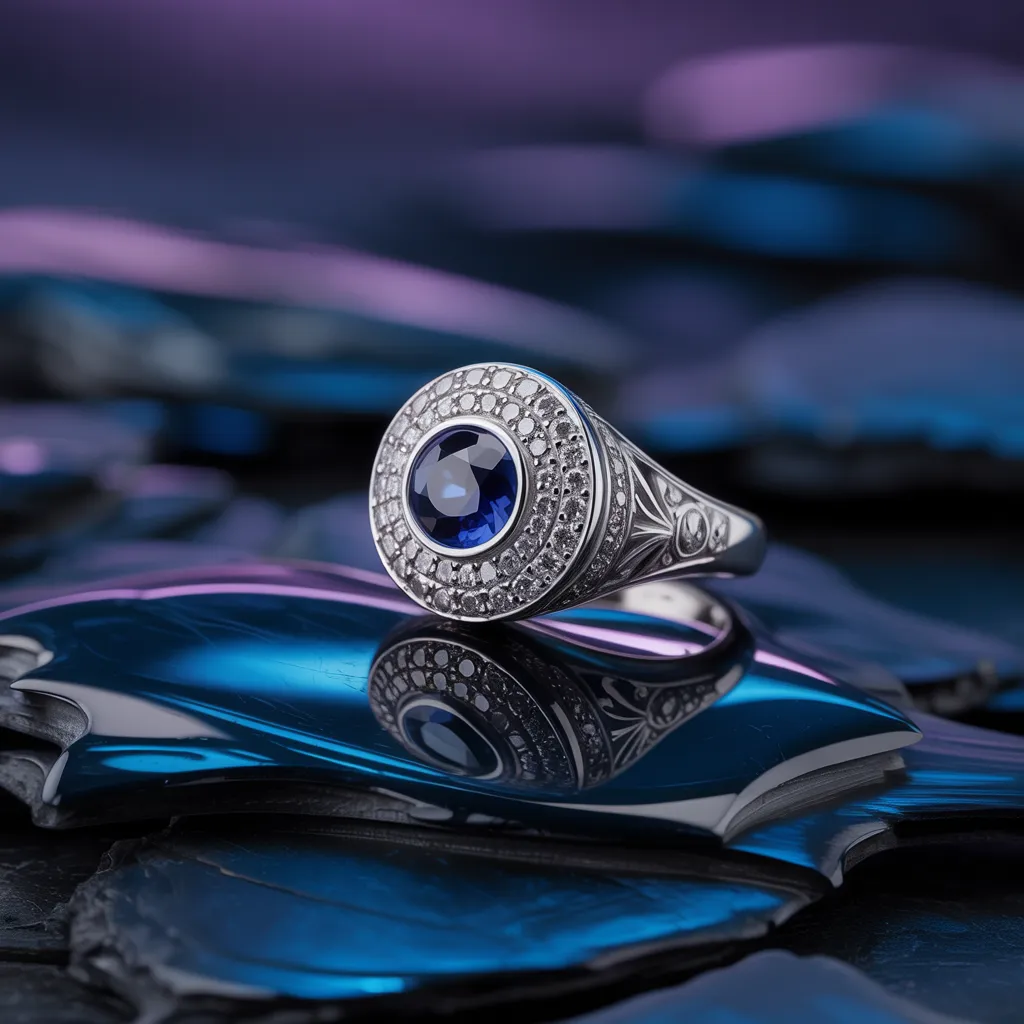
How Did the Evolution of Royal Jewelry Unfold Over Time?
Throughout the reign of royal dynasties over centuries, the evolution of royal jewelry reflected both cultural shifts and advancements in craftsmanship. Initially, royal adornments were simple, often made from local materials like wood and stone, symbolizing status and power. As trade routes expanded, precious metals and gemstones became accessible, leading to intricate designs that showcased skillful artistry.
The Renaissance represented a significant transformation, with elaborate pieces that incorporated symbolism and storytelling, often reflecting the political landscape. Throughout the 18th century, grandeur shaped royal adornments, with ornate compositions and pioneering approaches arising. The Victorian age ushered in emotionally meaningful jewelry, incorporating significant emblems that communicated intimate accounts.
In modern times, regal jewelry has transformed to embrace modern design sensibilities while preserving historical significance. Today, it serves not only as a symbol of authority but equally as a link between historical traditions and modern times, reflecting the perpetual excellence of masterful technique and cultural significance.
What Makes Royal Jewelry Pieces Truly Iconic
Distinguished royal jewelry items are remarkable not only for their exceptional artistry but also for the profound historical significance and symbolism they carry. Each piece often functions as a representation of the heritage of a royal dynasty, representing power, prestige, and cultural heritage. The distinctive designs frequently incorporate carefully chosen gems and symbolic patterns that capture significant events or personal stories associated with royals. To illustrate, particular works may commemorate related article royal weddings or serve as heirlooms passed down through generations, deepening their sentimental significance.
Furthermore, these jewels are often embellished with intricate details that demonstrate artistic innovation and the expertise of distinguished jewelers. The scarcity of the components incorporated, such as uncommon diamonds or singular colored gems, amplifies their fascination. Above all, timeless royal jewels extends far beyond decoration; it encapsulates the rich history, profound identity, and lasting legacy of the illustrious individuals who bore these pieces, making every artifact a meaningful relic of the age from which it originates.
What Are the Common Craftsmanship Techniques Used in Royal Jewelry?
Within royal jewelry, time-honored handcrafting techniques serve a vital role in producing pieces of remarkable quality. These techniques often involve intricate gemstone setting, making certain that each gem is set with exactness and attention. This level of artistry not only elevates the visual appeal but also contributes to the historical significance of these treasured items.
Traditional Handcrafting Methods
Many regal jewellery pieces are recognized for their exceptional craftsmanship, showcasing a blend of traditional handcrafting methods that have been preserved across generations. Artisans utilize techniques such as filigree, where fine threads of metal are bent and joined to create intricate designs. A further notable technique is the cloisonné technique, which involves the use of thin metal bands to form sections filled with enamel or gemstones. Moreover, hand engraving adds unique details and textures, highlighting the mastery of the maker. The use of lost-wax casting allows for the production of elaborate and one-of-a-kind gold designs. Every creation represents the commitment to craftsmanship, ensuring that imperial jewelry remains timeless, preserving the rich history and cultural heritage of the skilled work that created it.
Detailed Gemstone Setting
A wide array of approaches characterize the craft of detailed stone placement in regal jewelry, bringing each item to a level of unmatched elegance. Among these, the prong setting is prevalent, where metal tines grip stones while optimizing light reflection. The rim setting, surrounding the stone in a metal border, provides a clean and contemporary look. Additionally, pave settings create a sparkling surface by placing miniature stones tightly together. Royal artisans often employ the art of seamless gem setting, creating a flawless visual effect that accentuates their luminosity. In addition, precise focus is directed to gem positioning and balance, confirming that each piece embodies harmony and sophistication. Such artisanal methods enhance the lasting charm of regal adornments, enchanting admirers through generations.
What Symbolism Can Be Found in Royal Jewelry
What hidden symbolism exists within the intricate designs of royal jewelry? Every piece frequently functions as a symbolic expression of strength, allegiance, and tradition. Emblems like crowns or scepters convey dominion and leadership, while motifs like flowers or animals can signify elegance and nature's abundance. Gems are picked not solely for their decorative value but also for their historical importance; sapphires represent knowledge, rubies represent passion, and emeralds are connected to new beginnings.
Furthermore, regal jewelry often features elements that reflect a sense of national heritage, for example colors or symbols linked to a given country or ruling family. Jewelry exchanged among royals often convey alliances and strengthen relationships, carrying layers of personal and political meaning. Thus, these extraordinary treasures go beyond simple decoration, preserving accounts of lineage, culture, and the elaborate historical threads that define royal identity.
In What Ways Have Royal Jewelry Trends Shifted Over the Years?
How have royal jewelry trends evolved throughout history? Throughout the centuries, royal jewelry has served as a reflection of societal changes, capturing shifts in fashion, culture, and technology. During the earliest eras, lavish gemstones and elaborate metalwork were preferred, serving as symbols of wealth and power. During the Renaissance, intricate designs featuring floral motifs and enamel work emerged, highlighting exceptional artistic craftsmanship.
By the Victorian era, personal expression took center stage, with works commonly showcasing strands of hair or secret inscriptions. Art Deco design further celebrated geometric shapes and bold colors, reflecting contemporary ideals and creative advancement.
In modern times, there has been a significant movement toward minimalist designs and conscientious procurement, reflecting an increased awareness of social values. Royal figures now often choose jewelry that harmoniously combines heritage with contemporary style, demonstrating their ability to evolve with the times. With the continuous evolution of fashion, royal jewelry remains a dynamic expression of identity and heritage, preserving its significance across generations.
What Royal Individuals Established Jewelry Trends
Across the ages, many royal individuals have profoundly impacted jewelry trends, affecting not merely personal taste but also far-reaching style movements. Queen Victoria of England brought widespread popularity to sentimental jewelry, particularly accessories featuring lockets and hair, symbolizing personal connections. Throughout the 1900s, Princess Diana emerged as a style icon, recognized for her striking decisions, including the striking sapphire engagement ring that sparked a resurgence in colored gemstones.
Likewise, the late Queen Elizabeth II exhibited enduring sophistication with her stunning array of diamond tiaras and brooches, motivating countless generations to appreciate classic styles. In more recent times, Meghan Markle has shaped modern aesthetics, preferring minimalist designs that merge classic elements with modern sophistication. Every one of these influential royal icons not only shaped their respective periods but also created an enduring impact, illustrating the way jewelry captures cultural values and personal narratives while perpetually transforming across the ever-changing fashion world.
Frequently Asked Questions
What Materials Are Frequently Used in Royal Jewelry Designs?
Luxury jewelry styles traditionally include noble metals like gold alongside platinum, along with precious stones such as sapphires, rubies, diamonds, and emeralds. These elements blend to create opulent, enduring pieces that symbolize status and elegance.
How Do Royal Jewelry Pieces Influence Contemporary Fashion?
Regal jewelry designs inspire contemporary fashion by introducing sophistication and luxury, frequently showcasing striking gemstones and elaborate designs. Designers regularly borrow from these classic elements, merging heritage with contemporary style to produce compelling, fashionable pieces.
Do Specific Occasions Call for Wearing Royal Jewelry?
Fine royal jewels is typically worn during prestigious events including formal galas, wedding celebrations, and state functions. These significant moments enable the jewels to be displayed at their finest, emphasizing their remarkable workmanship and cultural significance while elevating the wearer's distinguished presence.
How Is Royal Jewelry Preserved and Maintained?
Fine royal jewelry is kept in excellent condition via thorough cleaning, secure storage, and routine inspections by trained professionals. Environmental conditions are meticulously controlled, ensuring items stay in immaculate condition, while comprehensive historical documentation document their provenance and cultural value for future generations.
What Role Does Royal Jewelry Play in Royal Ceremonies?
Royal jewelry acts as a symbol of prestige and custom during royal ceremonies, enhancing the grandeur of events. Such magnificent adornments frequently represent civilizational tradition, strengthening the monarchy's connection to the past and national heritage.
Final Thoughts
The evolution of jewelry in royal collections represents a remarkable fusion of artistry, culture, and power. Each iconic piece captures not only exquisite craftsmanship but also deep-rooted symbolism and heritage. As trends shifted from opulence to minimalist designs, royal adornments have continuously transformed, remaining relevant through the ages. Iconic figures in royalty have further defined these trends, ensuring that these stunning adornments endure as symbols of legacy and elegance, befitting royalty across every era.